
Locating Trusted Firewood Suppliers Near Me

Finding reliable firewood suppliers near me can be a challenge, especially if you want quality wood that burns well and lasts long. Whether you need firewood for heating, cooking, or outdoor fires, choosing the right supplier is essential. This guide will help you understand how to locate trusted firewood suppliers, what to look for, and how to get the best value for your money.
Why Finding Local Firewood Suppliers Near Me Matters
When searching for firewood suppliers near me, local options often provide the best benefits. Local suppliers usually offer fresher wood that has been properly seasoned and stored. This means the wood will burn more efficiently and produce less smoke. Additionally, buying locally supports small businesses and reduces transportation costs, which can save you money.
Local firewood suppliers also tend to be more knowledgeable about the types of wood that grow in your area. This knowledge helps them provide the best wood for your specific needs, whether you want hardwood for long-lasting heat or softwood for kindling.
Tips for Finding Local Firewood Suppliers
Ask neighbors or friends for recommendations.
Check local classifieds and community boards online.
Visit farmers markets or garden centers where firewood is often sold.
Search online with specific keywords like "firewood suppliers near me" to find nearby options.

How to Identify a Trusted Firewood Supplier Near Me
Not all firewood suppliers are created equal. To avoid wasting money on poor-quality wood, it’s important to know what to look for in a trusted supplier.
Signs of a Reliable Firewood Supplier
Properly seasoned wood: Wood should be dried for at least 6 months to a year. Seasoned wood is lighter, has cracks on the ends, and makes a hollow sound when knocked.
Clear pricing and measurement: The supplier should clearly state how much wood you are getting (usually by the cord or fraction of a cord) and the price.
Good customer reviews: Check online reviews or ask for references.
Knowledgeable staff: They should be able to answer questions about wood types, seasoning, and storage.
Delivery options: Trusted suppliers often offer delivery and stacking services.
Questions to Ask Your Firewood Supplier
How long has the wood been seasoned?
What type of wood do you recommend for my needs?
How is the wood measured and priced?
Do you offer delivery or stacking services?
Can I see the wood before purchasing?
By asking these questions, you can gauge the supplier’s expertise and reliability.
How much should I pay for a cord of firewood?
Understanding the cost of firewood helps you avoid overpaying. Prices vary depending on wood type, quality, and location, but here are some general guidelines.
Average Firewood Prices
Hardwood (oak, maple, hickory): $250 to $400 per cord
Softwood (pine, fir, spruce): $150 to $300 per cord
Mixed wood: $200 to $350 per cord
What Affects Firewood Prices?
Seasoning: Well-seasoned wood costs more but burns better.
Delivery: Some suppliers charge extra for delivery.
Quantity: Buying in bulk often reduces the price per cord.
Local availability: Prices can be higher in areas where wood is scarce.
Tips to Get the Best Price
Compare prices from multiple suppliers.
Buy early in the season before demand spikes.
Consider splitting and stacking the wood yourself to save on labor costs.
Verify the wood is measured correctly; a full cord is 128 cubic feet (4 ft x 4 ft x 8 ft).
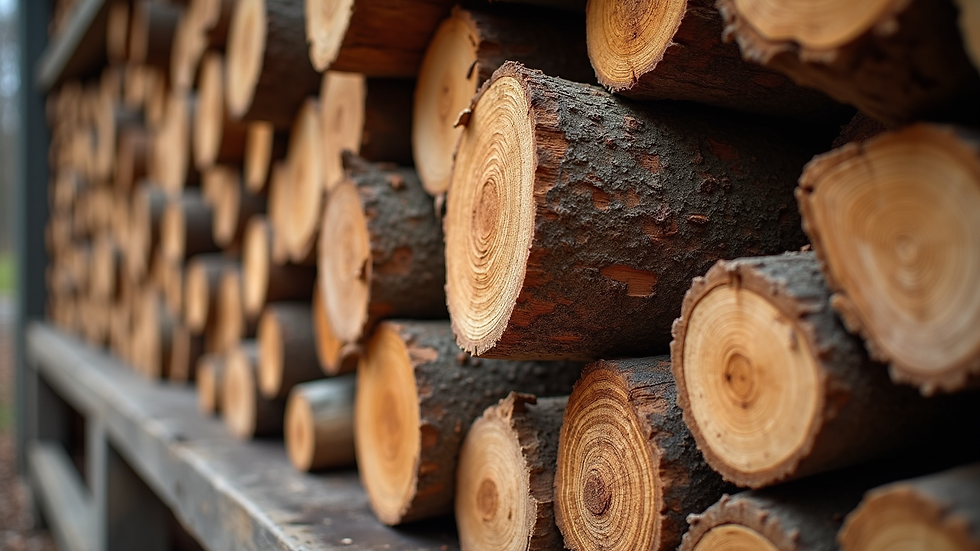
Types of Firewood and Their Uses
Choosing the right type of firewood depends on your needs. Different woods burn differently and produce varying amounts of heat and smoke.
Common Firewood Types
Oak: Dense hardwood, burns slowly and produces steady heat. Great for heating.
Maple: Burns hot and clean, good for indoor fireplaces.
Hickory: High heat output, excellent for cooking and smoking food.
Pine: Softwood, burns quickly with a strong aroma, good for kindling but produces more creosote.
Birch: Burns quickly with bright flames, good for starting fires.
Choosing Firewood for Your Purpose
For heating, hardwoods like oak and hickory are best.
For campfires or quick fires, softwoods like pine or birch work well.
For cooking or smoking, hickory or fruitwoods are preferred.
Knowing the type of wood you need helps you communicate better with your supplier and get the right product.
How to Store Firewood Properly
Once you have your firewood, proper storage is key to maintaining its quality.
Firewood Storage Tips
Keep wood off the ground: Use pallets or racks to prevent moisture absorption.
Cover the top: Protect wood from rain and snow but leave sides open for airflow.
Store in a sunny, ventilated area: Sunlight and air help keep wood dry.
Stack wood loosely: Allows air circulation to prevent mold and rot.
Proper storage ensures your firewood stays dry and ready to burn when you need it.
Final Thoughts on Finding the Best Firewood Supplier Near Me
Locating a trusted firewood supplier near me requires some research and asking the right questions. Focus on local suppliers who offer seasoned wood, clear pricing, and good customer service. Understanding the types of wood and how to store them will help you get the most out of your purchase.
If you want to find a reliable firewood supplier in your area, start by searching online and checking reviews. Don’t hesitate to visit suppliers in person to inspect the wood quality. With the right approach, you can enjoy warm, efficient fires all season long.


Comments